九霄太極
EnergyCultivation
SelfRefinement
Meditation
Yang Luchan
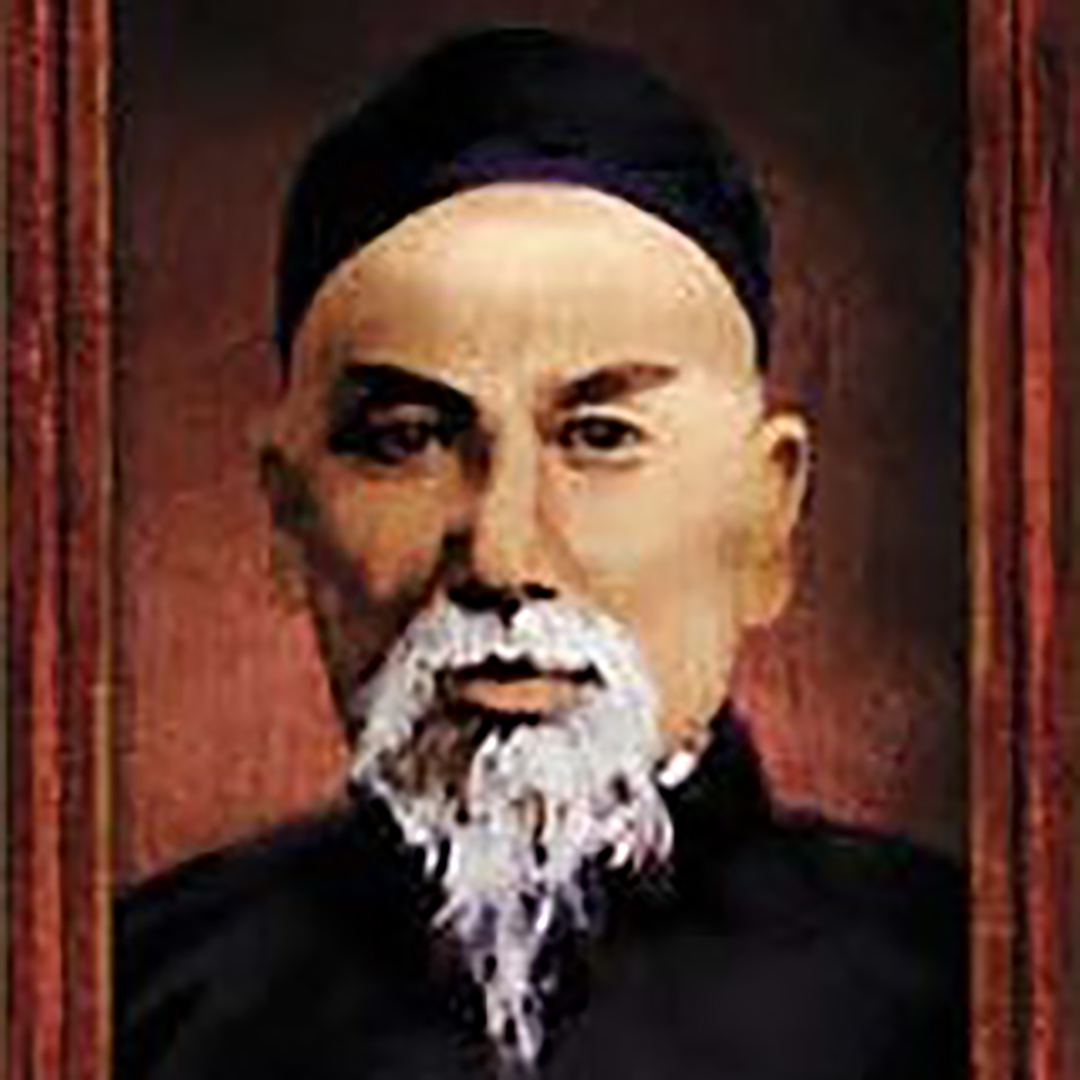 The first recorded use of the name "Taiji" was in reference to the art of Yang Luchan of Guangping (杨露禅, 1799–1872), by the famous Qing Dynasty scholar Weng Tonghe (翁同龢, 1830–1904), according to recently discovered imperial records. Yang Luchan was the most famous disciple of Chen Changxing (陈长兴, 1771–1853), who was in turn the most well known disciple of JiangFa (蒋发)
In 1850, Yang was hired by the Imperial family to teach Taijiquan to them and their élite Manchu Imperial Guard Brigades in Beijing's Forbidden City. While teaching at the Imperial Court Yang met many challenges, some more friendly some less, but invariably his soft techniques prevailed so convincingly that he gained a great reputation. Many who frequented the imperial households would view his matches.
At one such gathering in which Yang won against several reputable opponents, the scholar Weng TongHe was present. Inspired by the way Yang executed his techniques Ong felt that Yang's movements were a physical expression of the philosophy of Taiji.
At one such gathering in which Yang won against several reputable opponents, the scholar Weng TongHe was present. Inspired by the way Yang executed his techniques Ong felt that Yang's movements were a physical expression of the philosophy of Taiji.
Ong wrote him this verse: "Hands Holding Taiji shakes the whole world, a chest containing ultimate skill defeats a gathering of heroes." Previously Yang’s art had been referred to as Mian Quan (綿拳 Continuous Fist) or Hua Quan (化拳 Neutralising Fist), but once the famous Weng Tonghe's words spread, thereafter Yang Luchan's art and the styles that sprang from his teaching and by association with him, were referred to as Taijiquan.
In his later years he was famous for never losing a match and never seriously injuring his opponents. Having refined his art to an extremely high level, he came to be known as Yang Wudi (楊無敵, Yang the Invincible).
In his later years he was famous for never losing a match and never seriously injuring his opponents. Having refined his art to an extremely high level, he came to be known as Yang Wudi (楊無敵, Yang the Invincible).